Understanding Your Child’s Speech: A Guide for Parents
Is it normal that I can’t always understand my child?
If you’ve ever found yourself saying, “I love my child’s stories, but sometimes I just can’t understand what they’re saying,” you’re not alone! Many parents notice speech sound errors or unclear speech in their child and wonder: is this just part of growing up, or is it something more?
That’s where a speech pathologist can help.
What Is Speech Sound Development?
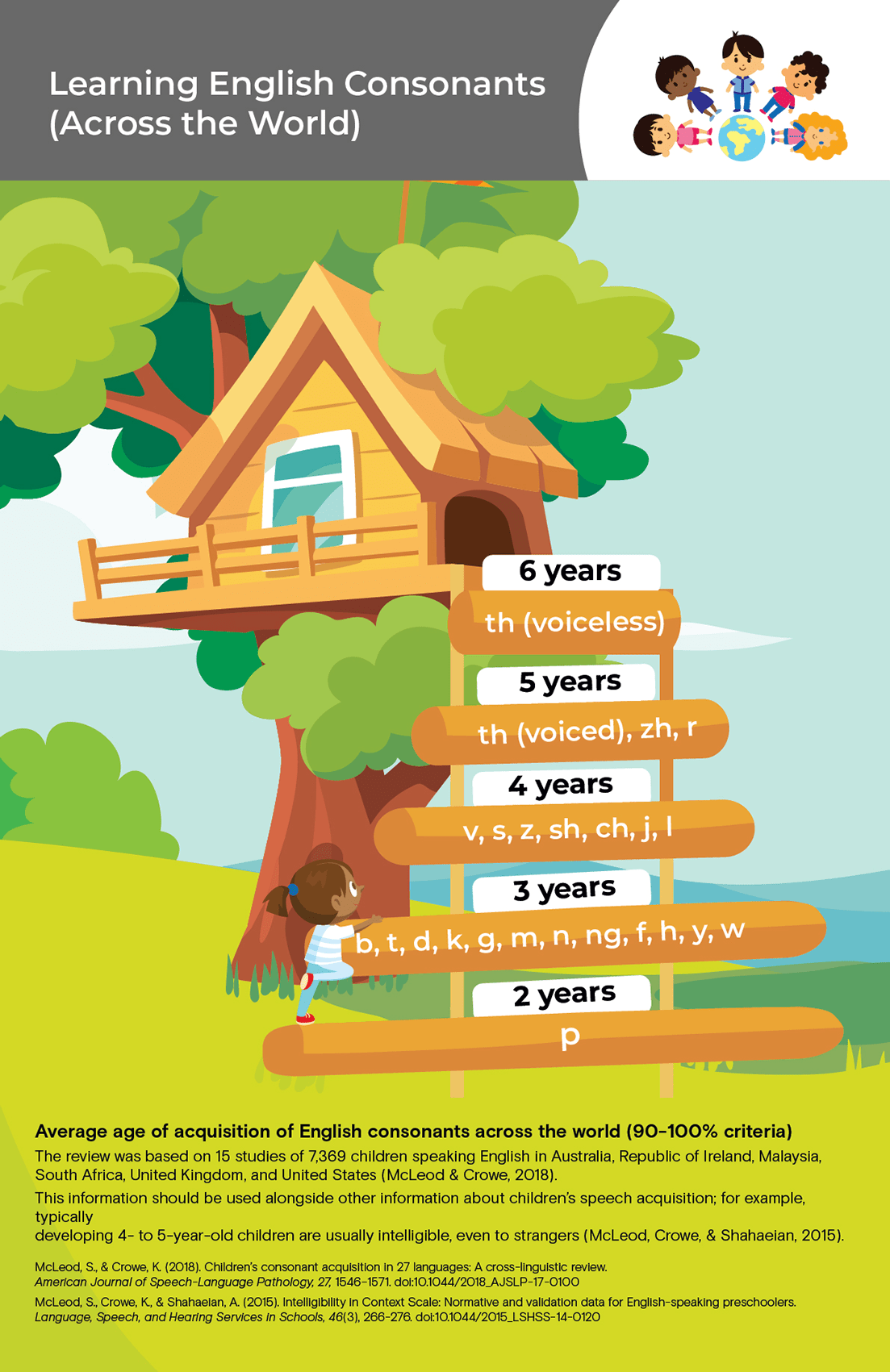
Speech sound development refers to how children learn to pronounce the sounds of their language. It’s a gradual process — just like learning to walk or read — and every child develops at their own pace. Some sounds, like “m,” “b,” and “p,” are usually mastered early. Others, like “r,” “th,” or “s,” develop later.
Here’s a general idea of what’s typical:
By age 3: Around 68% of speech should be clear to unfamiliar adults.
By age 3 ½: Around 78% of speech should be understood by unfamiliar listeners.
By age 4: Most children are understood by unfamiliar listeners most of the time.
Contact Peach Speech if:
- Your child is substituting sounds (saying ‘tat’ for ‘cat’)
- Leaving sounds out (saying ’ca’ for ‘cat’)
- Other people are having a difficult time understanding your child
Is it normal that I can’t always understand my child?
If you’ve ever found yourself saying, “I love my child’s stories, but sometimes I just can’t understand what they’re saying,” you’re not alone! Many parents notice speech sound errors or unclear speech in their child and wonder: is this just part of growing up, or is it something more?
That’s where a speech pathologist can help.
What Is Speech Sound Development?
Speech sound development refers to how children learn to pronounce the sounds of their language. It’s a gradual process — just like learning to walk or read — and every child develops at their own pace. Some sounds, like “m,” “b,” and “p,” are usually mastered early. Others, like “r,” “th,” or “s,” develop later.
Here’s a general idea of what’s typical:
By age 3: Around 68% of speech should be clear to unfamiliar adults.
By age 3 ½: Around 78% of speech should be understood by unfamiliar listeners.
By age 4: Most children are understood by unfamiliar listeners most of the time.
Contact Peach Speech if:
- Your child is substituting sounds (saying ‘tat’ for ‘cat’)
- Leaving sounds out (saying ’ca’ for ‘cat’)
- Other people are having a difficult time understanding your child
Understanding Lisps in Children
A lisp is when a child has trouble saying certain sounds, especially “s” and “z.” There are two main types:
- Interdental Lisp This is the most common type. Instead of saying a clear “s,” the tongue slips out between the teeth and it sounds more like a “th.”
For example: “Sam is six” → “Tham ith thix”
- Lateral Lisp Here, the air escapes out the sides of the mouth instead of the front. This makes the sound a bit “slushy” or “wet.”
Children (and sometimes adults) with a lisp may also find it tricky to say other sounds like “sh” (ship), “zh” (treasure), “ch” (chip), and “j/dg” (fridge).
What Does a Speech Pathologist Do?
A speech pathologist (also called a speech therapist) can:
- Assess how your child produces sounds
- Identify whether speech errors are typical for their age or need support
- Create fun, play-based therapy plans to help your child speak more clearly
- Coach parents and caregivers in supporting their child’s speech development
- Support your child’s confidence and communication skills
We don’t just look at speech sounds — we look at how your child uses language, how they interact, and how their speech impacts their everyday life.
When Should I Be Concerned?
Here are some signs that a speech pathologist might be helpful:
- Your child is 3 or older and hard to understand, even by family.
- Your child gets frustrated when trying to communicate.
- They’re not using many sounds or words for their age.
- They have a slushy nature to their speech or have a lisp after 4 years of age.
- You notice unusual patterns, like always saying “d” for many sounds.
Even if you’re unsure, it’s okay to ask. A speech pathologist can guide you through what’s typical development and what may need support.
What Happens in Therapy?
Speech therapy is often playful and engaging. We use games, stories, and activities to help children learn new sounds and practice them in fun ways. We also coach parents on how to support speech at home — because you are your child’s best teacher!
You’re Not Alone
Many children need a little extra help with speech sounds, and early support can make a big difference. If you’re unsure if your child’s speech development is on track, reach out. We’re here to listen, assess, and support your child’s journey to clear, confident communication.